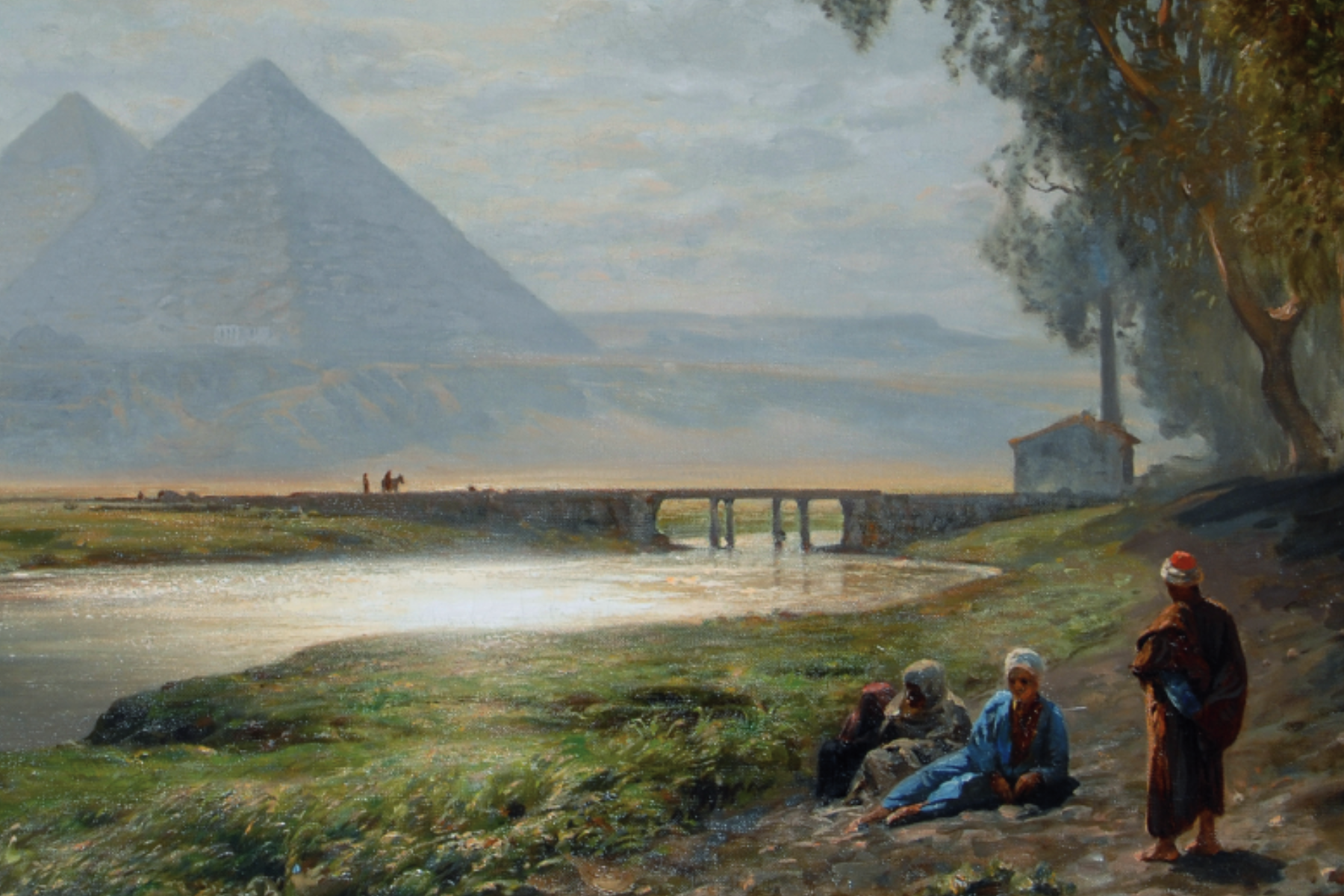
Our Story

The Shafik Gabr
Collection

18th & 19th Century Orientalist Masterworks

About the Collection

Art as the original dialogue

M. Shafik Gabr is recognised as one of the world’s largest collectors of Orientalist art, amassing a unique and extensive collection that captures the beauty, culture, and history of the Middle East and North Africa.

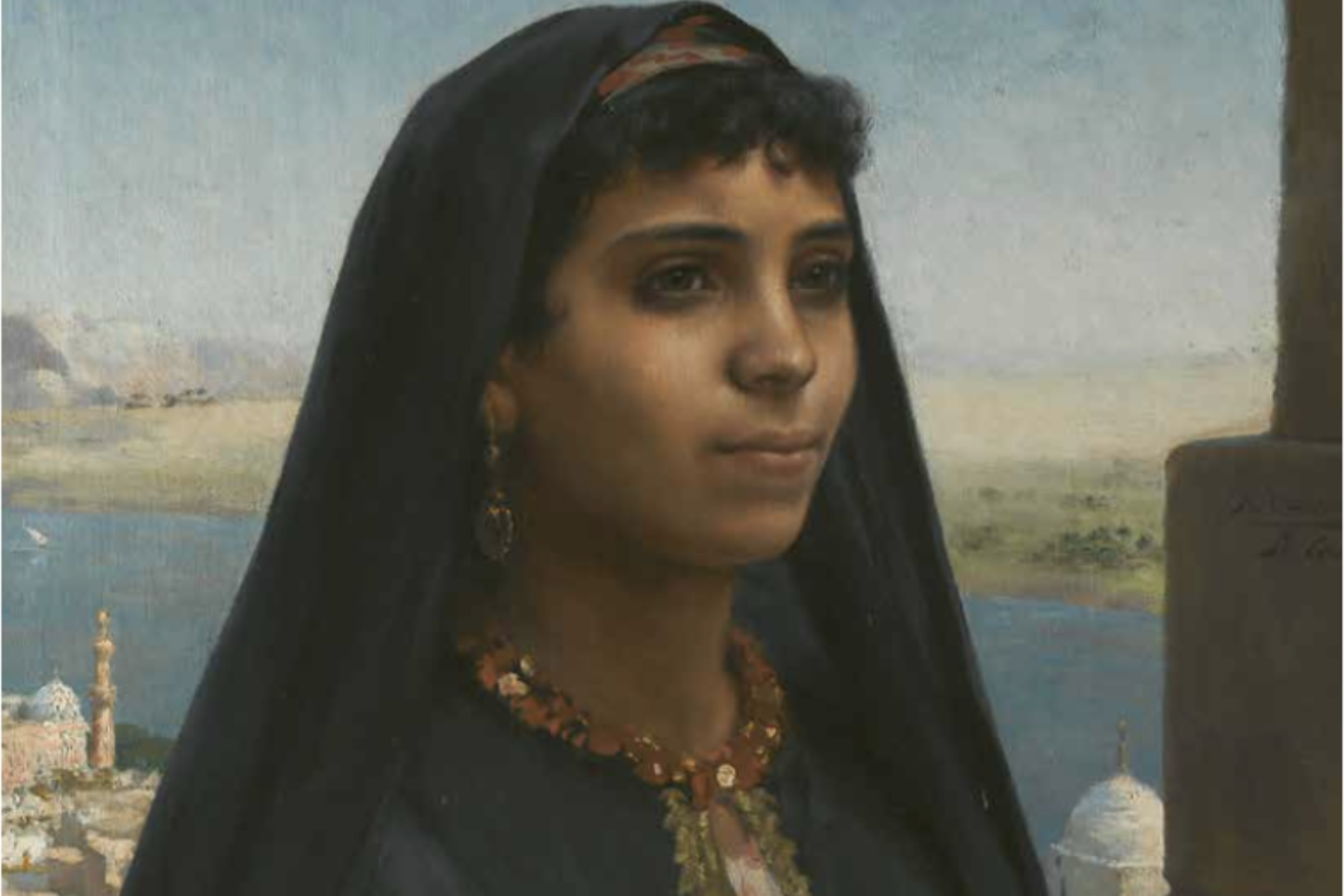
His collection showcases masterpieces from the 18th and 19th centuries, reflecting the works of prominent Orientalist Traveller Painters who were captivated by the region’s vibrant landscapes, traditions, and people.

Through his dedication and passion for preserving and sharing these historical artworks, Gabr has significantly contributed to fostering cultural appreciation and understanding of the Orientalist movement on a global scale.

The collection is not merely decorative — it is the philosophical foundation of the East-West initiative itself. The Orientalist Traveller Painters were, in their own way, the first cultural diplomats.
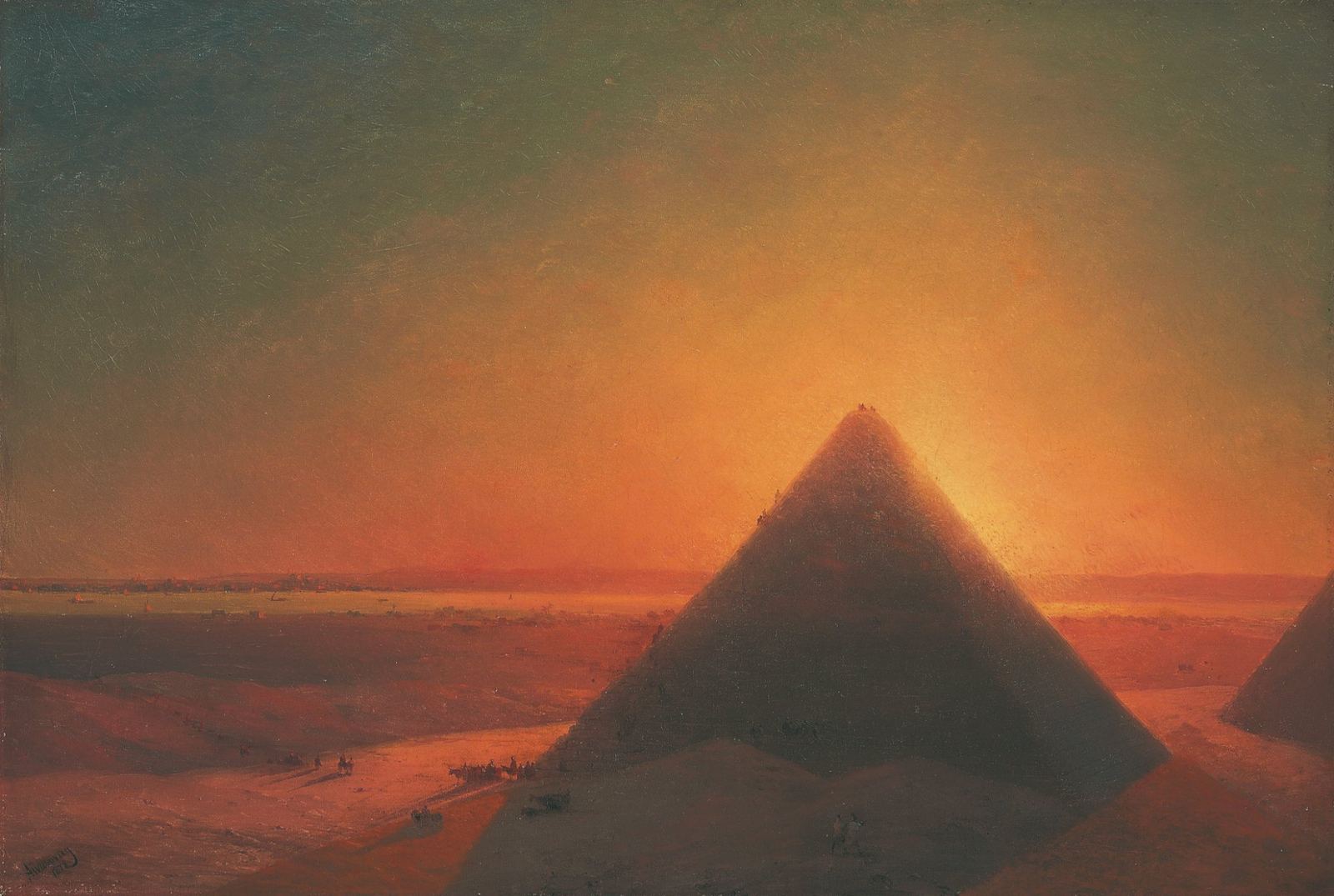
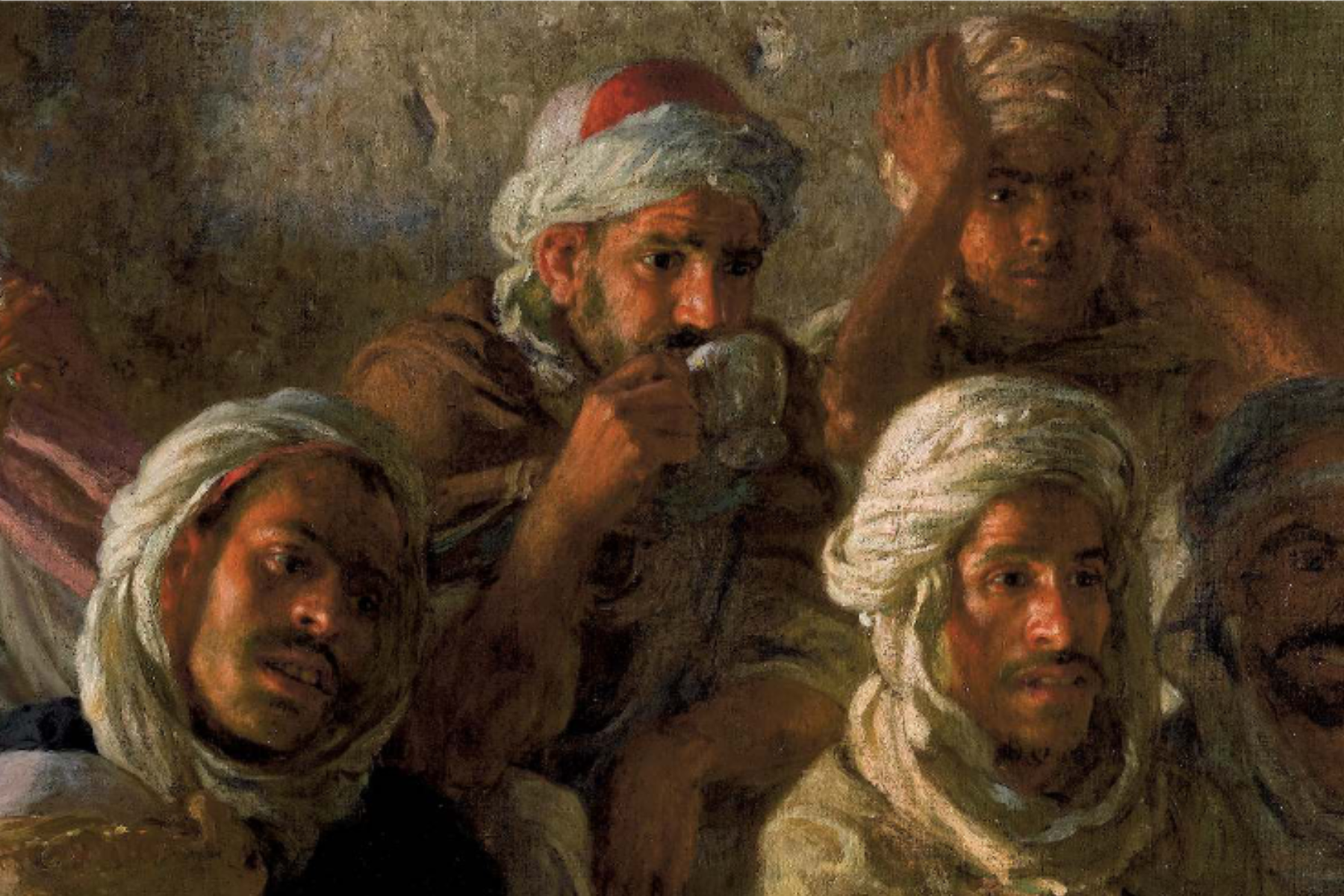
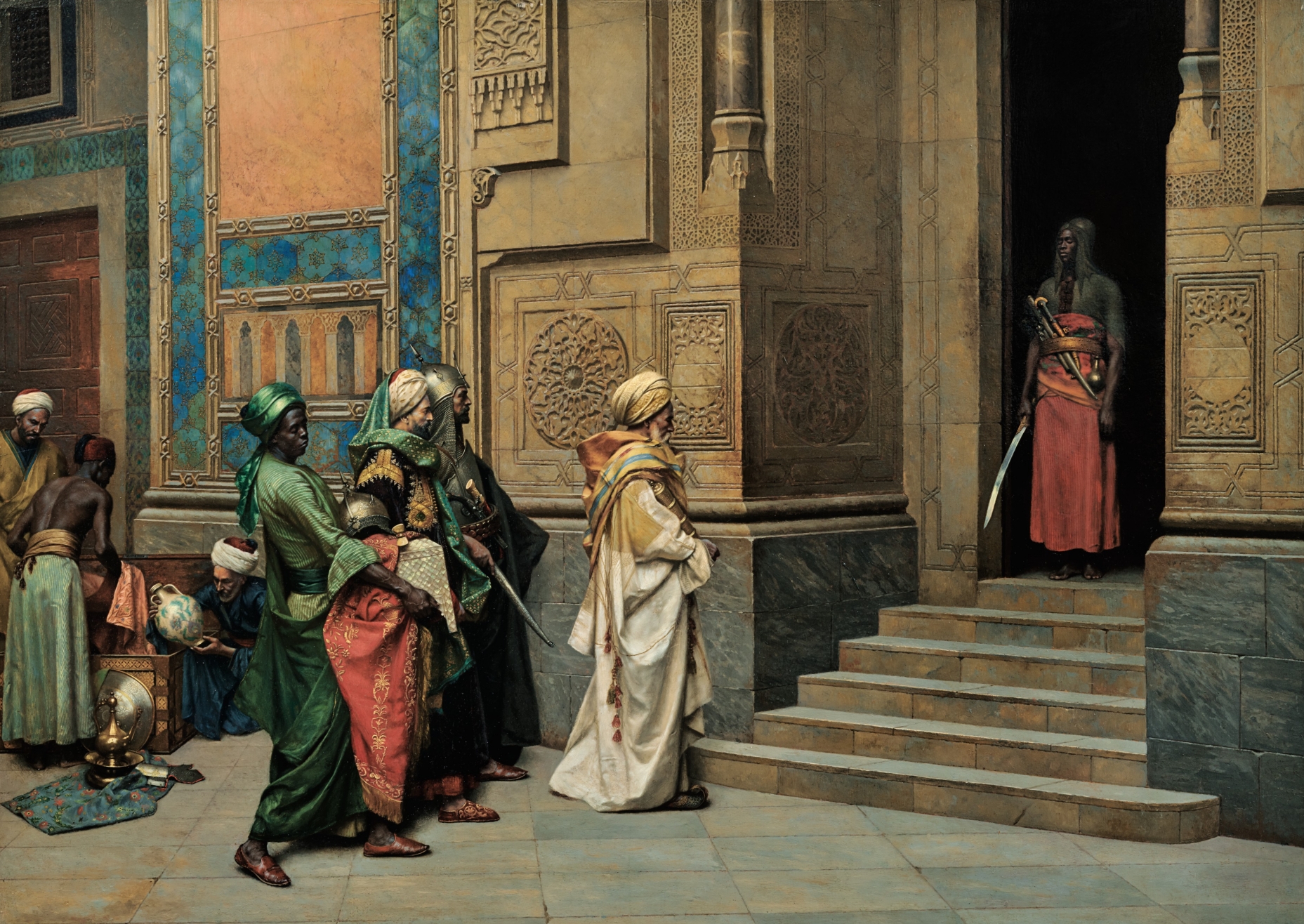
More works from the collection will be added as the Foundation expands its public programme. Also noted: Ludwig Deutsch — A Gathering Around The Morning News, Cairo (1885)

Collector’s Note

“The Orientalist Traveller Painters were the first cultural diplomats — they crossed every frontier that divided East from West in pursuit of light, beauty, and truth. Their work is the inspiration for everything we do.”
— M. Shafik Gabr

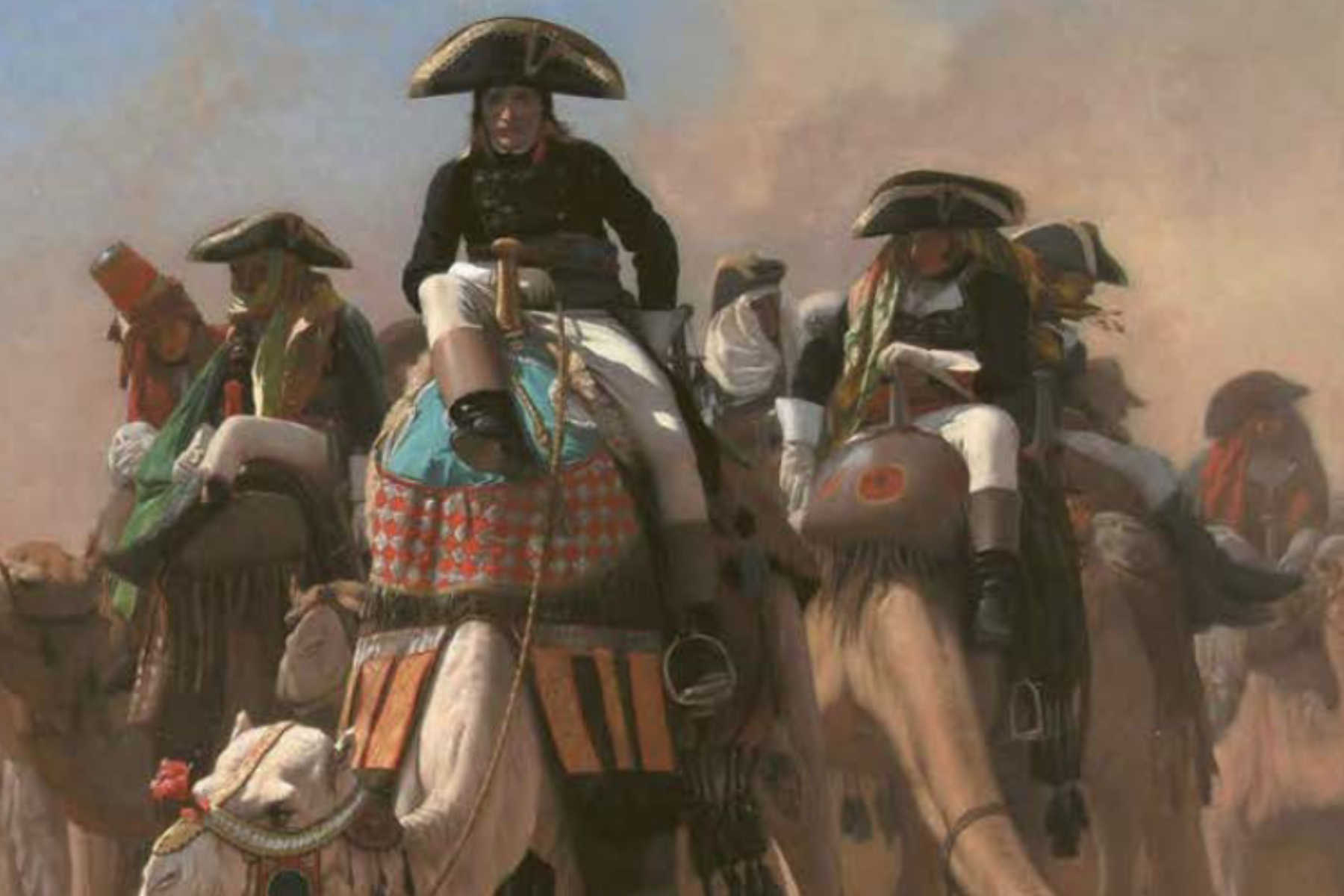
The Orientalist movement emerged in the 19th century as European painters — inspired by Napoleon’s Egyptian campaigns and the opening of the Middle East to Western travellers — journeyed East in search of subjects that defied the academic conventions of their day.

They found in the Arab world a richness of light, colour, and human experience that transformed Western art. Their canvases brought the East to Western audiences for the first time — and in doing so, began a conversation that the Shafik Gabr Foundation continues today.
18th–19th
Century masterworks
World-class
Private collection
Global
Exhibition & loans
Cultural
Foundation of the initiative

Key Artists & Books

Masters of the 18th & 19th Century Orientalist tradition
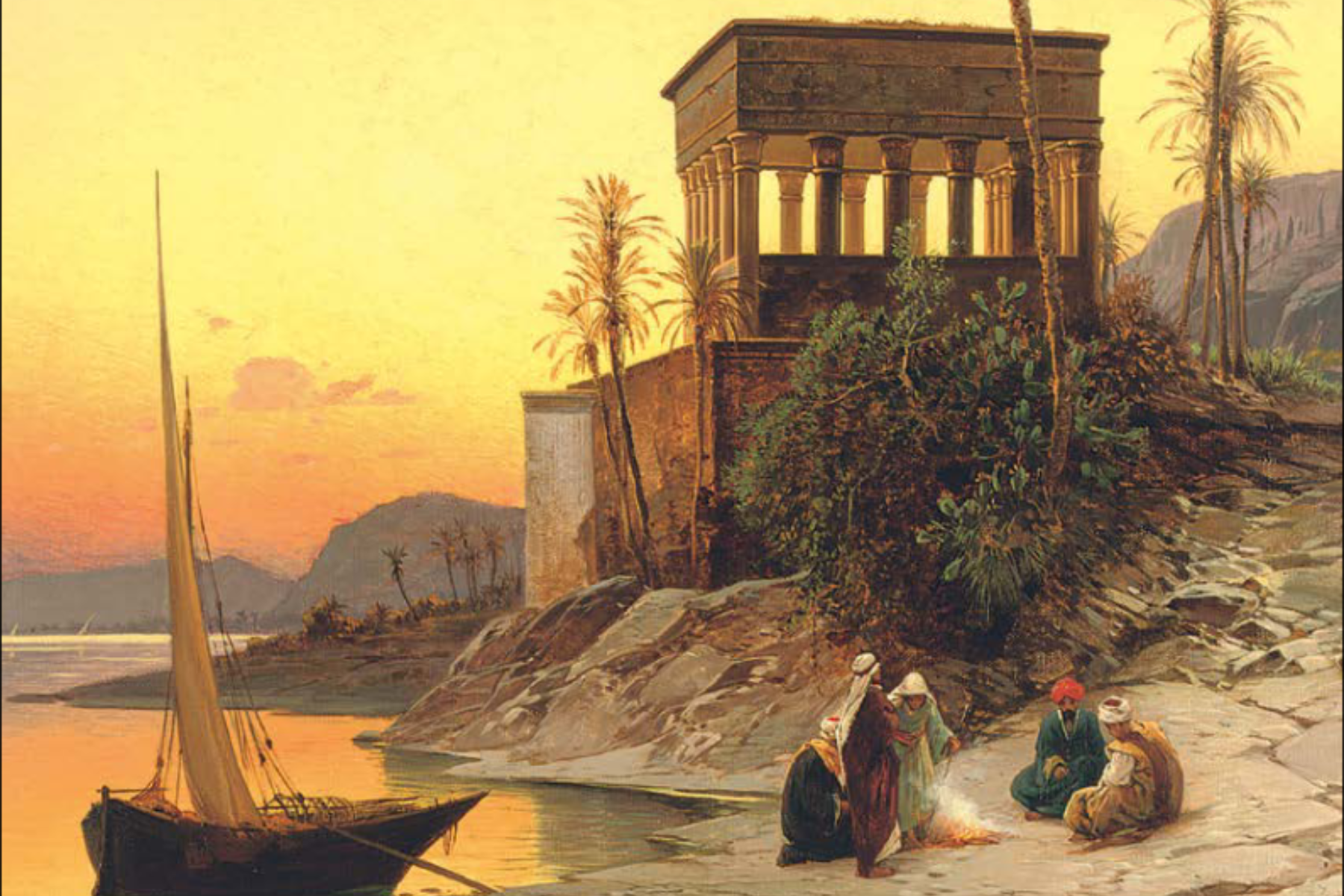
The Art of Italian Painters
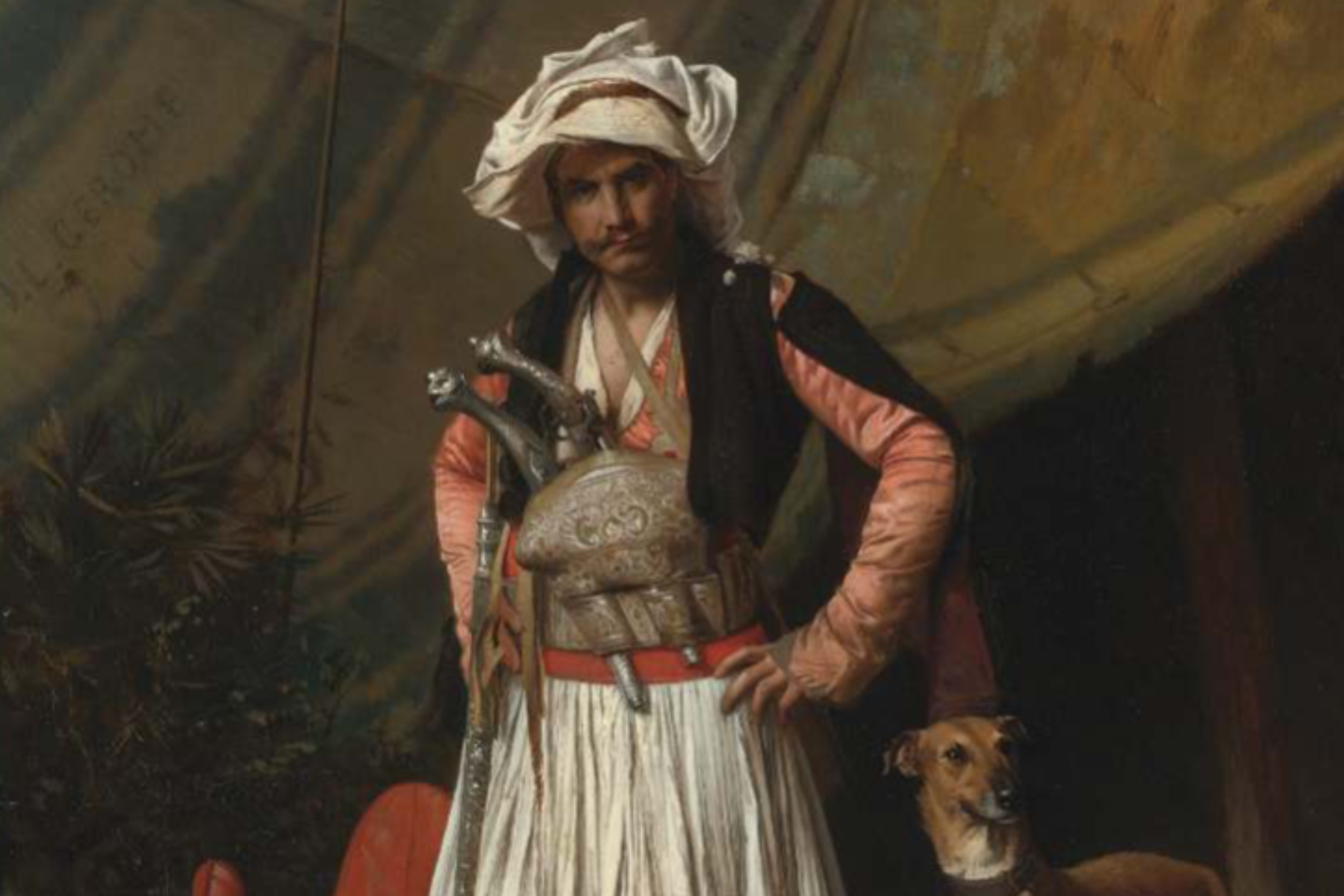
The Art of Italian Painters

Italy is undoubtedly one of the most culturally rich countries in the world, and houses some of the world’s most important works of art. The reasons behind this are complex and manifold, but it is undoubtedly partially due to the multitude of different cultural influences on its artists. In 19th century, many Italian painters drew their inspiration from the Middle East and North Africa, where they travelled and spent time exploring the intricacies of the culture in order to represent it in their paintings.
The Art of Jean-Leon Gerome

The Art of Jean-Leon Gerome

Jean-Léon Gérôme is arguably the best-known and most influential of the orientalist painters and sculptors. Born in 1824 in northeastern France, he moved to Paris when he was sixteen to study painting. By 1845 he had been accepted as a student of the prestigious École des Beaux-Arts, where he eventually became a highly respected and an extremely influential instructor.
The Art of Ludwig Deutsch

The Art of Ludwig Deutsch

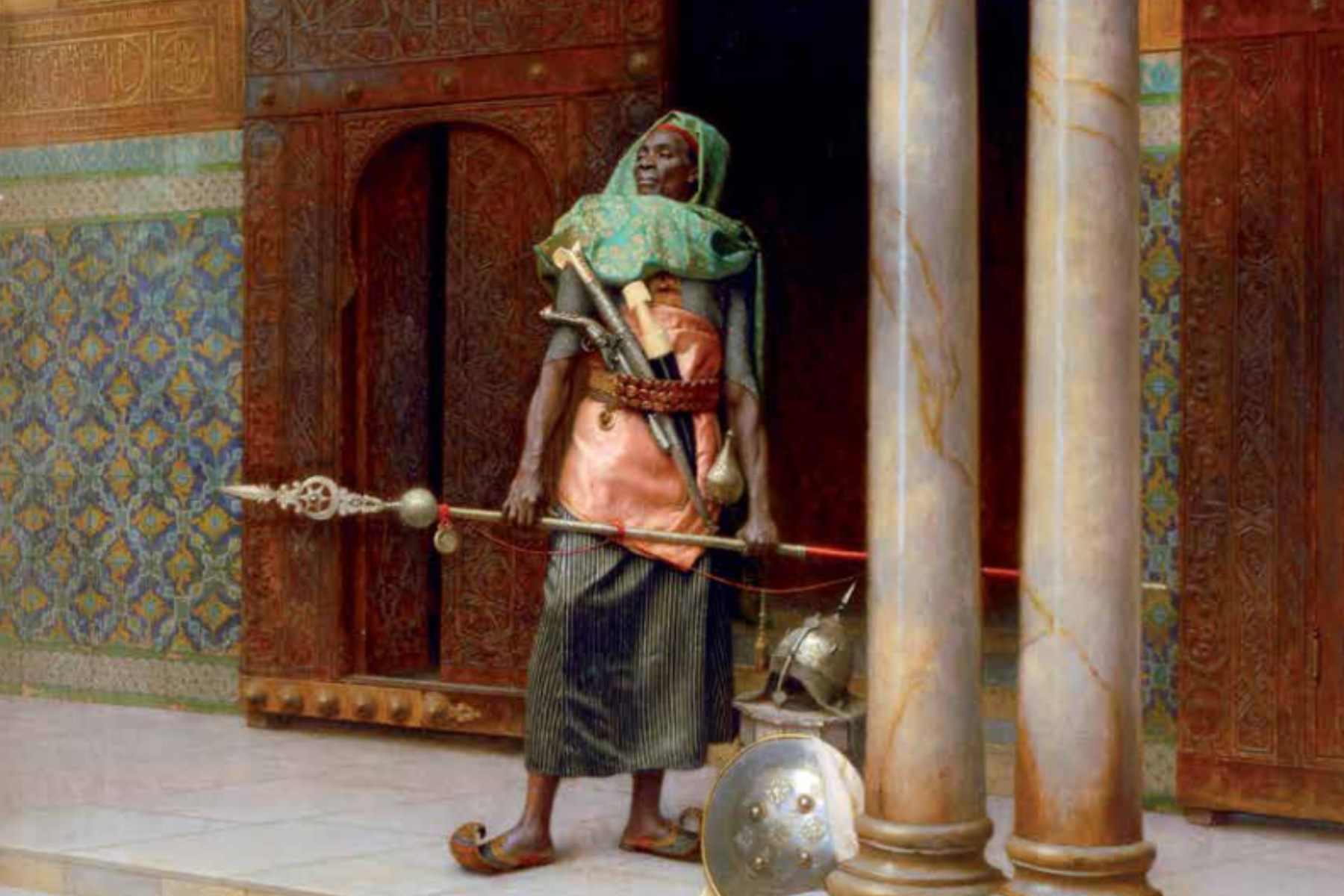
Born into a well-established family in Vienna in 1855, Ludwig Deutsch was the son of a financier in the Austrian court. Following his studies at the Vienna Academy of Fine Arts he moved to Paris in 1878 to study with fellow Austrian Leopold Carl Müller. Deutsch soon met and began a life-long friendship with yet another fellow Austrian and artist, Rudolf Ernst, who himself would become a very successful Orientalist artist. While continuing his studies with Müller, Deutsch began to study with Jean-Paul Laurens as well. Wasting no time, the very next year following his arrival in Paris, Deutsch entered his first painting in the Salon de Paris.
The Art of Belgian Painters

The Art of Belgian Painters

There are four Belgian artists in the Shafik Gabr Collection: Jan-Baptiste Huysmans, Karel Ooms, Edouard Verschaffelt and Émile Deckers, the first two belonging to the 19th century and the last two painting in the 20th century. These artists are represented by nine paintings, eight of which are portraits, and seven of which highlight the Berber inhabitants of the Kabyliya area of Algeria, an independent and important segment of North African geography and history. Three of the artists originated from Flanders, the Flemish speaking area of Belgium with its rich traditions of portraiture, an inheritance which continues in their portraits of North Africa.
The Art of Etienne Dinet

The Art of Etienne Dinet

Born in 1861, the son of a prominent French judge, Étienne Dinet studied at the Lycée Henry IV in Paris from 1871 to 1881, in preparation for admission to the École des Beaux-Arts. While attending the École des Beaux-Arts he studied in the studio of Victor Galland. The following year he studied under William Bouguereau and Tony Robert-Fleury at the Académie Julian and exhibited for the first time at the Salon des Artistes Français. In 1884 Dinet traveled to southern Algeria, with a team of entomologists and came back the following year on a government scholarship. It was at that time that he painted his first two Algerian paintings: les Terrasses de Laghouat and l’Oued M’Sila après l’orage.
The Art of French Painters

The Art of French Painters

Though virtually every European country had its own national school of Orientalism by the middle of the nineteenth century, it was France that dominated the genre. With artists like Eugène Delacroix, Jean-Léon Gérôme, and Jacques Majorelle, the latter two successfully working through the century’s end, it is easy to see why French Orientalist painting was regarded as the pinnacle that others should strive to achieve.
The Art of German Painters

The Art of German Painters

Although Germany did not have a colonial presence in the East in the 19th Century, it still prides itself on a vast and exquisite array of Orientalist art, and several of its prime examples are part of the Shafik Gabr Collection. This booklet explores the works of Gustav Bauernfeind, Ferdinand Max Bredt, Albert Joseph Franke, Carl Haag, Ernst Koerner, Leopold Carl Müller, Adolf Seel and Carl Werner.
No results found.